
INCILAB

INCILAB · BIOMEDICAL ENGINEERING

Lab members

PILab membersAlumni

People behind the possibilities.

Postdoctoral Research Fellows

Dr. Özgecan Erdem

Dr. Özgecan Erdem

LinkedIn ↗
Read biography

Dr. Özgecan Erdem received her B.Sc. degree in Biology and her M.Sc. and Ph.D. degrees in Biotechnology from Hacettepe University, Ankara, Türkiye. During her M.Sc. studies, she focused on microbial and fungal-based approaches for the bioremediation of textile dyes. Her doctoral research centered on the development of molecularly imprinted plasmonic biosensors for the detection of microorganisms associated with fecal contamination, including Enterococcus faecalis and bacteriophages. Since 2020, Dr. Erdem has been conducting her postdoctoral research at Bilkent University, UNAM–National Nanotechnology Research Center, at INCILAB. Her current research focuses on molecularly imprinted polymers, plasmonic and metasurface-based biosensors, microfluidic systems, extracellular vesicles, microneedle-based platforms, and point-of-care diagnostic technologies. Her work integrates molecular recognition, nanomaterials, microfluidics, and biosensing approaches for the development of diagnostic and therapeutic platforms targeting microorganisms, disease biomarkers, and extracellular vesicles. Dr. Erdem has served as a Principal Investigator in nationally funded research projects, including studies on plasmonic detection of multiple bacteria and antibiotic susceptibility, as well as antimicrobial microneedle platforms enriched with Streptomyces sp. vesicles for wound-healing applications. She is also a recipient of the Sancar Fellowship (Support Program for Research Excellence) through the Hacettepe University–Bilkent University UNAM consortium.

Dr. Nil Kılıç

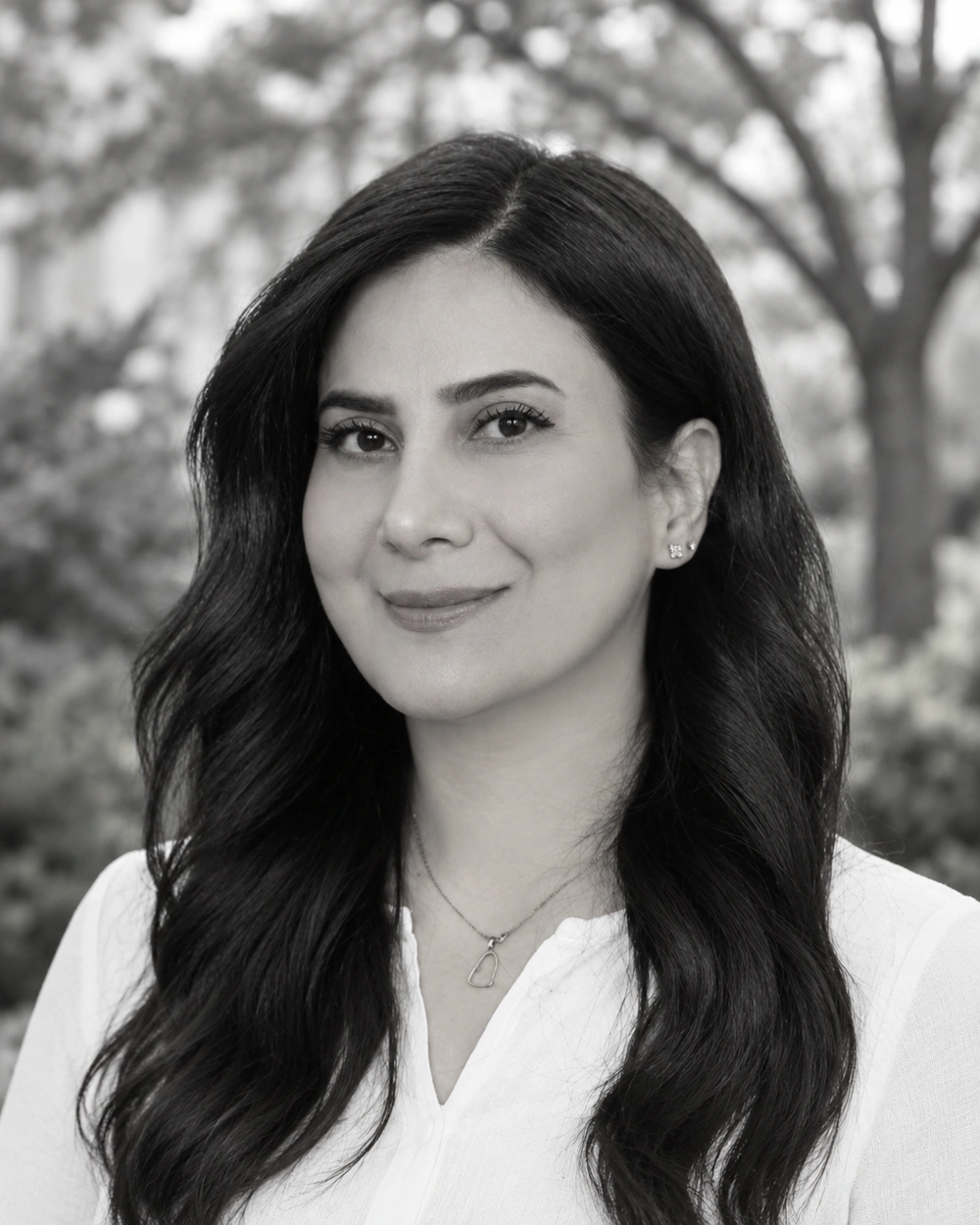
Dr. Nil Kılıç

LinkedIn ↗
Read biography

Dr. Nil Kılıç is a postdoctoral researcher at INCILAB at Bilkent University’s National Nanotechnology Research Center (UNAM), where she explores how immune cells and their extracellular vesicles can be harnessed to develop innovative cancer therapies. She received her B.Sc., M.Sc., and Ph.D. degrees at Ankara University, with doctoral research focused on the anticancer activity of activated NK-92 cells against breast cancer. Her current work examines the reciprocal interactions between cancer cells and natural killer (NK) cells, investigating both the therapeutic potential of immune cell-derived extracellular vesicles and the mechanisms through which tumor-derived vesicles influence NK cell function. Integrating molecular biology, cellular models, and microfluidic technologies, she works to connect mechanistic insights with the development of personalized immunotherapy and vesicle-based therapeutic strategies. She leads TÜBİTAK and TÜSEB-funded projects and contributes to interdisciplinary research spanning cancer immunology, extracellular vesicle biology, and nanotechnology. Her overarching goal is to turn a deeper understanding of cancer–immune communication into new opportunities for targeted and effective treatment.

Dr. Maryam Atabay

Dr. Maryam Atabay

LinkedIn ↗
Read biography

Maryam Atabay, Ph.D., is a postdoctoral research fellow in computational nanoscience and bioengineering, with expertise in molecular dynamics simulations, molecular docking, density functional theory, and computational approaches for biosensor and nanomaterial design. Her research focuses on biomolecular interactions, nanomaterials, extracellular vesicles, and molecularly imprinted polymers, combining molecular-level simulations with experimental biosensing strategies. She collaborates with INCILAB at Bilkent University and works closely with Assoc. Prof. Yeşeren Saylan at Hacettepe University on interdisciplinary studies integrating computational modeling with experimental biosensing and molecular recognition platforms. Her work aims to provide mechanistic insight into biomolecular interactions and to support the rational design and optimization of next-generation biosensors, molecularly imprinted systems, and diagnostic technologies.

Ph.D. Students

Eylül Gülşen Yılmaz

Eylül Gülşen Yılmaz

LinkedIn ↗
Read biography

Eylül Gülşen Yılmaz is a Ph.D. student at INCILAB at Bilkent University’s National Nanotechnology Research Center (UNAM), with a background in molecular biology and genetics. She earned her B.Sc. degree in Molecular Biology and Genetics from Middle East Technical University in 2020 and has been working with Dr. Fatih İnci since then. Having completed her master’s degree, she is currently pursuing her doctoral studies in Materials Science and Nanotechnology.

Her research focuses on extracellular vesicles, microfluidic systems for cancer monitoring, and biosensors for disease diagnosis. She combines vesicle isolation and characterization with cellular and molecular analyses to investigate biological communication and develop microchip-based platforms for biomedical applications. She is a recipient of the TÜBİTAK 2211 doctoral scholarship and has contributed as a scholarship-supported researcher to several TÜBİTAK- and TÜSEB-funded projects. Her interdisciplinary work brings together molecular biology, nanotechnology, and microfluidic engineering to address challenges in disease monitoring, diagnostics, and therapeutic evaluation.

Dilşad Taydaş

Dilşad Taydaş

LinkedIn ↗
Read biography

Dilşad Taydaş is a Ph.D. candidate at INCILAB at Bilkent University National Nanotechnology Research Center (UNAM), with a background in nanotechnology engineering. She earned her B.Sc. degree in Nanotechnology Engineering from Cumhuriyet University in 2020 and subsequently completed her master’s degree in the same department, with a research focus on photothermal and photodynamic therapies. She joined Dr. Fatih İnci’s research group in 2022, where she is currently pursuing her doctoral studies in Materials Science and Nanotechnology.

Her research focuses on Janus micromotors, microfluidic systems, and microneedles. By combining advanced micro- and nanoscale fabrication techniques, she develops engineered platforms for innovative biomedical applications. She is a recipient of the TÜBİTAK 2211 doctoral scholarship and has contributed as a scholarship-supported researcher to several TÜBİTAK- and TÜSEB-funded projects. Her interdisciplinary work brings together nanotechnology, materials science, and engineering to advance therapeutic and diagnostic technologies.

Gizem Sunar Çetin

Gizem Sunar Çetin

LinkedIn ↗
Read biography

Gizem Sunar Çetin received her B.Sc. degree in Molecular Biology and Genetics from Bilkent University, where she conducted research on genes associated with breast cancer development and progression. She continued her graduate studies at Bilkent University and obtained her M.Sc. degree in Molecular Biology and Genetics, focusing on the molecular mechanisms underlying drug resistance in breast cancer, particularly resistance to tamoxifen and doxorubicin.

In 2022, she joined INCILAB at the Institute of Materials Science and Nanotechnology in Bilkent University as a Ph.D. student. Her doctoral research focuses on the functional roles of breast cancer-derived extracellular vesicles (EVs), particularly their effects on intercellular communication, epithelial–mesenchymal transition, and pre-metastatic niche formation. In 2026, she was awarded TÜSEB A3 funding as the project lead for a study investigating the role of extracellular vesicles derived from triple-negative breast cancer in lung pre-metastatic niche dynamics. Her research interests include cancer biology, extracellular vesicles, and microfluidics technologies.

Emre Ece

Emre Ece

LinkedIn ↗
Read biography

Emre Ece graduated from the Department of Chemistry at Anadolu University in 2021. During his undergraduate studies, he gained experience in tissue engineering, bacterial culture, catalyst production and protein purification, including work on bacterial culture and enzyme purification within a TÜBİTAK-3001 project (2019). In the tissue engineering laboratory, he focused on bioink preparation, scaffold fabrication and microsphere production using microfluidic systems. In 2020, he worked remotely with the University of Limerick on mapping the global distribution of COVID-19 cases, and his graduation project focused on purifying keratin from human hair for biomedical applications. He joined INCILAB in January 2022 and completed his master's degree in 2024 with a thesis on plant pathogen detection using microneedles and portable colorimetric sensors. He continues his microneedle research in the same team, and his Ph.D. thesis focuses on the detection and treatment of skin cancer using microneedles.

Selcan Genç

Selcan Genç

LinkedIn ↗
Read biography

Selcan Genç received her B.Sc. degree in Biology and M.Sc. in Molecular Biology from Hacettepe University, where her master’s research investigated platelet–leukocyte interactions and inflammatory mechanisms in NSAID-exacerbated respiratory disease. Her previous research experience spans molecular biology, immunology, and three-dimensional airway cell culture models. She is currently pursuing her Ph.D. in Materials Science and Nanotechnology at Bilkent University’s National Nanotechnology Research Center (UNAM). At INCILAB, her research integrates molecular and cellular approaches with microfluidic technologies to explore the biological functions and biomedical potential of bacterial and mammalian extracellular vesicles. She contributes to TÜBİTAK- and TÜSEB-funded projects focusing on vesicle-mediated immune modulation, particularly natural killer cell responses, cancer–immune cell communication, and antimicrobial delivery approaches for wound healing. Her work encompasses extracellular vesicle isolation and characterization, the assessment of vesicle uptake and cellular responses, and the development of ultrafiltration-based microchip platforms. Her broader research interests lie at the interface of extracellular vesicle biology, immune regulation, and nanobiotechnology.

Güvenç Esmer

Güvenç Esmer

LinkedIn ↗
Read biography

Güvenç Esmer is a Ph.D. student at INCILAB, with a background in biology and immunology. He earned his M.Sc. in Immunology at King's College London, where he worked under Dr. Vincenzo Torraca and used a zebrafish larval model to study infection by a pathogenic E. coli. His earlier undergraduate research looked at the hygiene hypothesis. Güvenç has been part of the lab since 2025, working hands-on with cell culture, biosensor chip preparation, and microneedle fabrication. His focus is on extracellular vesicles (EVs), specifically on developing alternatives to cold storage that preserve EVs for diagnostic use. He is interested in connecting microbiology and immunology with materials-based diagnostics.

M.Sc. Students

İrem Temel

İrem Temel

LinkedIn ↗
Read biography

İrem Temel holds a bachelor’s degree in Bioengineering from İzmir Institute of Technology. During her undergraduate studies, she worked on molecular docking and ligand–protein interactions. She later joined INCILAB as a master’s student, where she has been involved in multidisciplinary research on extracellular vesicle (EV) detection, microfluidic systems, biosensors, COMSOL simulations, microneedle platforms, and integrated biomedical systems. Her work brings together biological and engineering approaches for the development of biomedical technologies.

Oktay Coşkun

Oktay Coşkun

LinkedIn ↗
Read biography

Oktay Coşkun received his Bachelor of Science in Metallurgical and Materials Engineering from Middle East Technical University (METU). He is currently pursuing a Master's degree in Materials Science and Nanotechnology at Bilkent University UNAM.

At the METU Biomaterials and Nanomedicine Laboratory, his research focused on fabricating porous silk fibroin scaffolds for cardiac tissue engineering and investigating hydrogen bonding interactions between dimethyl sulfoxide and silk fibroin by performing FTIR and deconvoluting the Amide I region. Additionally, as a TÜBİTAK 2247-C STAR scholar, he contributed to an international collaboration on 3D-printed zirconia bone grafts, performing XRD characterization for the phase analysis of degraded zirconia. He further expanded his research experience during a summer internship at The University of Manchester's BioFuM Laboratory, where he worked on inverting the mesoscale helix handedness of cellulose nanocrystals. For his senior design project, he worked on an autonomous solar-powered parking lot lighting system, focusing specifically on system assembly and the integration of an iron-air battery. He gained industrial experience at Turkish Aerospace Industries (TAI) as a long-term engineering intern, analyzing the manufacturing lifecycle of aerospace components. In a separate research project under the TAI LIFTUP program, he investigated the effect of different surface preparation grit sizes on adhesive bond strength in composite wet lay-up repairs.

Visiting Researchers

Dr. Nedim Hacıosmanoğlu

Dr. Nedim Hacıosmanoğlu

LinkedIn ↗
Read biography

Dr. Nedim Hacıosmanoğlu is an Assistant Professor of Medical Biology and Genetics at Ankara Medipol University whose research focuses on biosensors, microfluidics, molecular diagnostics, extracellular vesicles, microneedle technologies, and biomaterials. His work integrates engineering, biology, and point-of-care diagnostics to develop practical tools for biomedical research and healthcare applications. He is also actively involved in interdisciplinary research projects spanning diagnostic device development, omics, and bioengineering.

Dr. Ayımgül Uzunyol

Dr. Ayımgül Uzunyol

LinkedIn ↗
Read biography

Dr. Ayımgül Uzunyol is an Assistant Professor of Biomedical Engineering at OSTIM Technical University whose research focuses on biotechnology, molecular biology and biochemistry, cell biology, proteomics, biomaterials, and nanomaterial cytotoxicity. She is actively involved in interdisciplinary research projects including omics and biomedical engineering. In addition, she also takes part in interdisciplinary research on engineering, life sciences, and clinical disciplines.

Dr. Adile Yürük

Dr. Adile Yürük

LinkedIn ↗
Read biography

Dr. Adile Yürük was a Postdoctoral Researcher at INCILAB in 2025. She completed her integrated PhD in Bioengineering at Abdullah Gül University, specializing in biomaterials and tissue engineering.

At INCILAB, she worked on the development of therapeutic microneedles for controlled drug delivery and biomedical applications. She is currently continuing her research career as a postdoctoral researcher at the Terasaki Institute for Biomedical Innovation, where her work focuses on 3D bioprinting and injectable hydrogels for tissue engineering. Her research interests include advanced biomaterials, injectable hydrogel systems, 3D bioprinting, and the development of biomaterial-based strategies for tissue repair and regeneration.

CONTACT

Let’s engineer what’s next.